


Controller–Battery Communication Errors That Reduce Torque Output in 48V EV Bike Battery Platforms
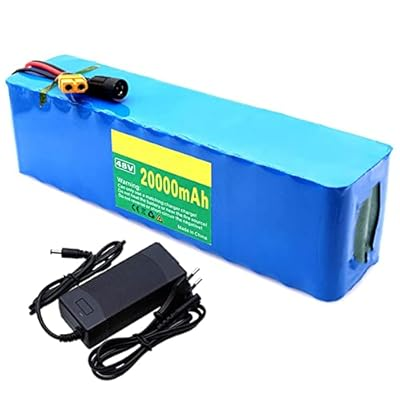
In modern electric two-wheelers, the 48V EV bike battery has emerged as a benchmark for performance and stability. Its energy density, efficiency, and thermal stability make it a reliable choice for both urban commuting and long-range applications. Yet, even the most advanced 48V EV bike battery can underperform if communication between the controller and battery is compromised.
Riders often notice subtle drops in torque or uneven acceleration without realizing the root cause lies in the interface between the battery and controller. For engineers and EV enthusiasts, understanding these errors is essential to maintaining peak performance.
Why Controller-Battery Communication Matters
The controller interprets signals from the 48V EV bike battery to regulate current, manage torque output, and protect the battery from thermal stress. Any disruption in this communication can force the system into a conservative mode, reducing torque output, limiting acceleration, and affecting ride quality.
Common scenarios include:
Voltage Signal Misalignment: Incorrect voltage readings can make the controller restrict power output unnecessarily.
Temperature Sensor Failures: Faulty temperature signals can prevent the battery from delivering full torque safely.
Current Measurement Errors: Misreported current can create jerky acceleration and inefficient power usage.
Even brief communication lapses can negatively impact the overall performance of the 48V EV bike battery, especially in high-demand riding situations.
How Communication Errors Reduce Torque
Torque is critical for acceleration, climbing, and handling heavy loads. Controller-battery miscommunication can:
Limit Peak Torque: Riders experience sluggish starts and delayed acceleration.
Increase Energy Waste: The system draws more energy to compensate for misreads.
Stress Battery Cells: Repeated miscommunication creates heat that accelerates wear.
High-quality 48V lithium LiFePO4 EV bike battery 20Ah-60Ah Pakistan packs are designed to minimize these risks. Their advanced BMS ensures consistent voltage, current, and temperature monitoring, improving communication reliability with the controller.
Common Causes of Communication Failures
Loose Connectors or Damaged Wiring: Even minor physical faults disrupt signal transmission.
Firmware Inconsistencies: Outdated or mismatched software between the controller and BMS can trigger errors.
Cell Degradation: Uneven performance among battery cells may send inconsistent signals.
Electromagnetic Interference: Urban electrical noise can interfere with sensor signals.
Using a 48V lithium LiFePO4 EV bike battery 20Ah-60Ah Pakistan with a robust BMS helps mitigate these risks and ensures smooth torque delivery.
Diagnosing and Fixing Communication Errors
Experienced engineers rely on precise diagnostics to maintain optimal torque output:
Monitor real-time voltage, current, and temperature logs from the BMS.
Verify communication protocols between the controller and battery for delays or drops.
Synchronize firmware updates across all modules.
Inspect and replace connectors, cabling, or sensors showing wear.
Adopting a proactive approach ensures your 48V EV bike battery delivers consistent torque, maximizes efficiency, and extends its lifespan.
Best Practices for Riders and Manufacturers
Regular Inspections: Check connectors, sensors, and BMS integrity periodically.
Firmware Updates: Keep controller and battery software synchronized.
Monitor Torque and Performance: Watch for unexpected changes in acceleration or battery heat.
Invest in Quality Batteries: Using a reliable 48V lithium LiFePO4 EV bike battery 20Ah-60Ah Pakistan ensures communication stability.
At Hybridev Engineering, we recommend using high-grade battery packs and professional diagnostics to prevent subtle errors from reducing torque and efficiency.
Conclusion
Controller-battery communication is critical for torque output in any electric two-wheeler. Subtle miscommunication can degrade acceleration, efficiency, and overall ride quality. By understanding these errors, performing timely diagnostics, and using high-quality 48V EV bike battery systems, riders and manufacturers can ensure optimal performance and battery longevity.
A premium 48V lithium LiFePO4 EV bike battery 20Ah-60Ah Pakistan, combined with expert monitoring, guarantees reliable torque delivery and enhances the overall EV experience. At Hybridev Engineering, we emphasize quality, precision, and proactive maintenance to keep every 48V EV bike battery performing at its peak.

 English
 Arabic
 French
 Spanish
 Portuguese
 Deutsch
 Turkish
 Dutch
Dutch
 Italiano
 Russian
 Romaian
 Greek
Greek