


IoT in Agriculture Market Growth Accelerates Through Water Efficiency And Automation
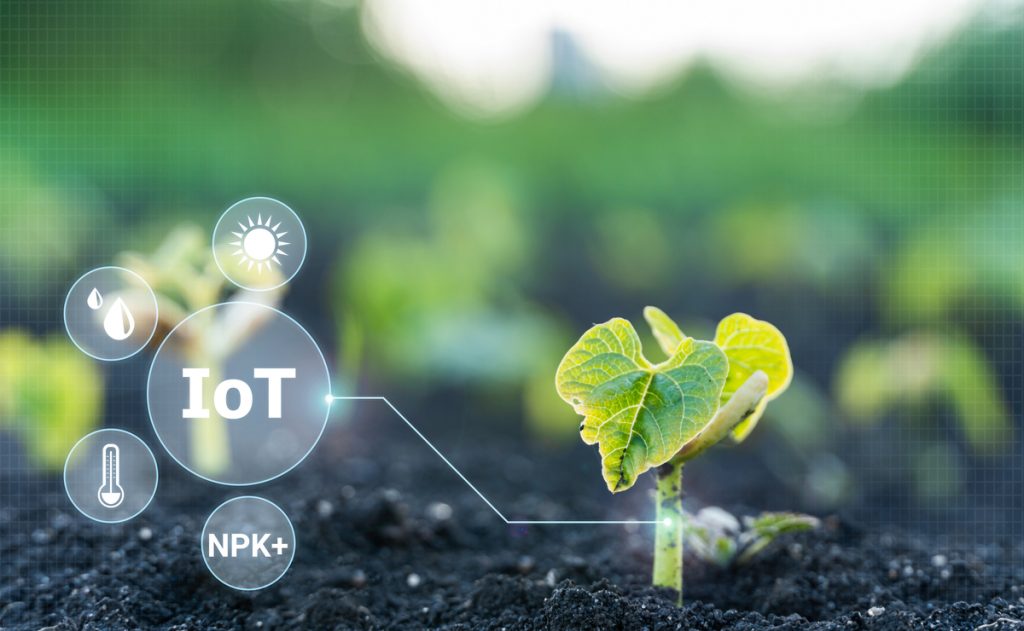
The IoT in Agriculture Market Growth trend is accelerating as producers face water scarcity, input cost pressure, and climate-driven variability. IoT enables precision management by turning field conditions into measurable signals—soil moisture, temperature, nutrient levels, and microclimate data. This supports smarter irrigation scheduling and reduces overwatering, which is crucial where water is scarce or regulated. Growth is also driven by labor shortages. Automated monitoring and alerts reduce the need for manual field scouting and enable farms to manage larger acreage with fewer workers. Livestock operations benefit from wearables and barn sensors that detect health issues early and reduce losses. Controlled-environment agriculture contributes growth through sensor-driven climate control, improving yield consistency and resource efficiency. In many regions, government programs and sustainability initiatives also support adoption, funding technology to improve water management and reduce environmental impacts. These combined pressures make IoT a practical investment rather than an experimental technology.
Technology improvements are making adoption easier and more scalable. Low-power sensors with longer battery life reduce maintenance burdens. LPWAN networks enable large-area coverage at low operating cost, while cellular and 5G support machinery telemetry and higher data rates. Satellite IoT adds coverage for remote farms, improving reach. Analytics capabilities have improved: platforms now provide alerts, trend analysis, and decision support instead of just data dashboards. AI models can forecast irrigation needs, estimate yield, and detect disease risk when combined with weather and remote sensing. Integration is another factor in market growth. IoT platforms increasingly connect to farm management software, irrigation controllers, and variable-rate equipment, enabling closed-loop workflows. However, interoperability remains uneven. Farms often use multiple device vendors, and proprietary formats can limit integration. Vendors that support open APIs and standardized data models lower adoption friction. As platforms mature, more farms can scale from pilot projects to multi-field deployments and enterprise programs.
Market growth is also shaped by economic and organizational factors. Farmers adopt IoT when ROI is clear—reduced water and fertilizer use, higher yields, improved quality, or fewer livestock losses. Subscription pricing and bundled “sensor + connectivity + platform” offerings reduce upfront costs and encourage adoption. Agronomists and cooperatives play a key role by recommending technology and helping interpret data. Supply chain traceability requirements accelerate growth, especially for high-value crops where buyers demand documentation of practices and storage conditions. Food safety and cold chain monitoring also contribute, with IoT sensors tracking temperature and humidity in storage and transport. Data governance concerns influence purchasing decisions; farmers want clarity on who owns data and how it may be used. Cybersecurity becomes more important as irrigation systems and controllers connect to networks, increasing the need for secure remote access, authentication, and monitoring. Trust in vendors and local service support strongly affects growth.
Sustaining market growth will require reliable field performance and simplified user experience. Devices must withstand weather, dust, and farm handling, and platforms must function with intermittent connectivity. Training and change management are essential so teams respond to alerts and integrate recommendations into routine decisions. Growth will also depend on better integration across the farm ecosystem—machinery, irrigation systems, and farm records. The next phase includes increased automation: irrigation control loops, variable-rate application tied to sensor maps, and predictive maintenance for equipment fleets. As sustainability reporting becomes more formal, IoT will provide measurement for water usage, nutrient application, and carbon-related metrics, strengthening adoption. For producers, starting with high-impact use cases—smart irrigation, greenhouse climate control, or livestock health—builds confidence and data discipline. Over time, IoT in agriculture market growth will be reinforced by the need to farm more efficiently with fewer inputs while adapting to climate stress and rising quality expectations from buyers and regulators.
Top Trending Reports:

 English
 Arabic
 French
 Spanish
 Portuguese
 Deutsch
 Turkish
 Italiano
 Russian
 Romaian
 Portuguese (Brazil)
 Greek
Greek