


Technological Integration of the Modern Forklift Water Pump
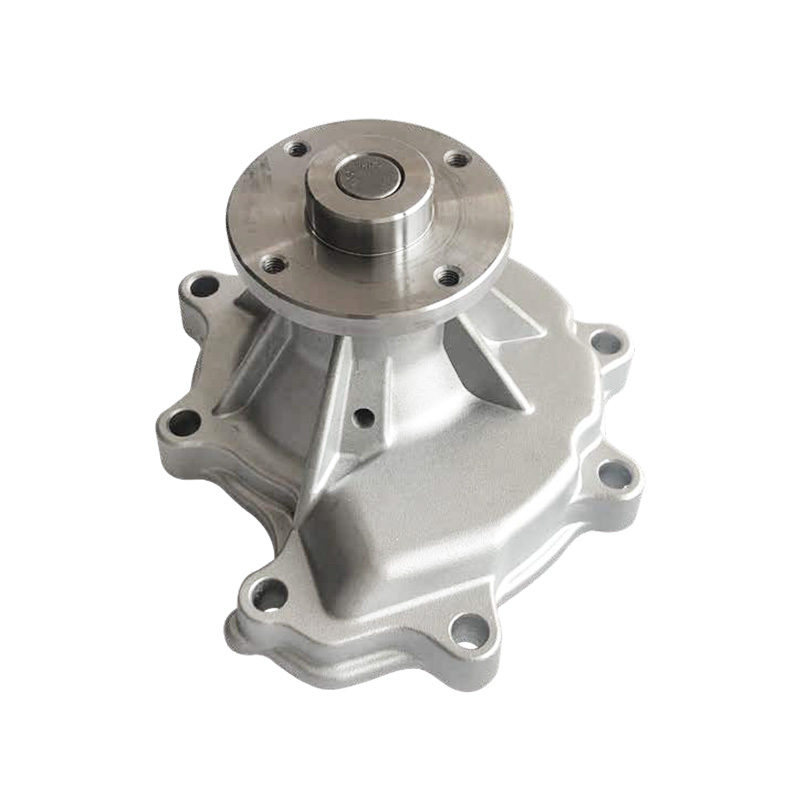
The design and integration of the forklift water pump have evolved to meet demands for greater efficiency, durability, and compatibility with diverse engine technologies. No longer viewed as a simple standalone accessory, the contemporary water pump is engineered as an integrated element within a complex thermal management system. This system must accommodate variations in engine load, ambient temperature, and operational cycles specific to material handling. Advancements in materials, such as the use of carbon ceramic seals and polymer composite impellers, aim to extend service life and resist corrosion from modern coolants. The drive toward more compact and powerful forklift engines also necessitates water pump designs that deliver higher flow rates within smaller spatial envelopes, demonstrating a continuous push for engineering refinement in this essential category.
A significant area of development is the improved synchronization between the forklift water pump and other engine management systems. In many modern internal combustion forklifts, the pump's operation is intrinsically linked to engine speed. However, some advanced designs explore the benefits of variable-speed or electrically assisted pumps. These concepts allow for more precise control over coolant flow, reducing parasitic energy loss from the engine when full cooling capacity is not required—such as during idle periods or in cooler operating environments. This contributes to marginal gains in overall fuel efficiency. For electric forklifts, the water pump tasked with battery thermal management is often independently controlled by the battery management system (BMS), activating only when needed to maintain the battery pack within its ideal temperature range, thereby optimizing both performance and battery lifespan.
The performance of the forklift water pump is also deeply influenced by its supporting components and the quality of the coolant itself. The pump works in concert with the thermostat, which regulates coolant passage to the radiator, and the radiator fan, which draws air through the fins. A blocked radiator, a failing thermostat, or degraded coolant can force the water pump to work against increased system pressure or cause cavitation—the formation of destructive vapor bubbles that erode the impeller. Using the correct type of coolant is critical, as specified inhibitors protect the pump's metal and rubber components from scale, electrolysis, and corrosion. Thus, maintaining the entire cooling system is paramount for preserving the water pump's functionality and preventing premature wear that could stem from issues elsewhere in the circuit.
The modern forklift water pump exemplifies how a fundamental mechanical component has advanced through material science and systems engineering. Its development trajectory focuses on reliability under strenuous conditions, harmonious integration with broader vehicle systems, and contribution to operational efficiency. As forklift designs continue to evolve, including the rise of alternative powertrains, the role of the water pump in precise thermal management will remain indispensable. The ongoing innovation in this component ensures it continues to provide the silent, reliable service that keeps engines and batteries within their safe operating temperatures, safeguarding the uptime of vital material handling equipment.

 English
 Arabic
 French
 Spanish
 Portuguese
 Deutsch
 Turkish
 Italiano
 Russian
 Romaian
 Portuguese (Brazil)
 Greek
Greek