


Kunliwelding How Do Traceability And Testing Improve Wire Supplier Reliability
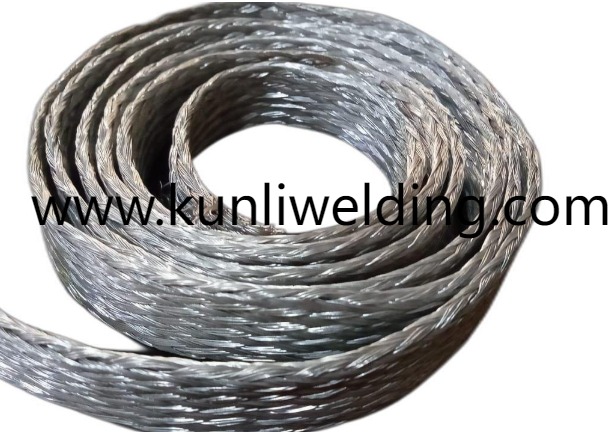
Manufacturers facing tougher inspection regimes and supply chain scrutiny are raising the bar for wire integrity, and Aluminum Braided Wire Manufacturers now find certifications and quality standards at the center of procurement conversations. As electric mobility, renewable energy, and lightweight platforms expand, buyers expect traceable materials, consistent spool behavior, and clear documentation to support assembly reliability and inspector confidence.
Quality assurance begins with documented material control. Certificates that state chemical analysis and mechanical properties give fabricators a record that the wire chemistry matches the intended application. In high duty or safety sensitive uses, access to batch level documentation helps engineers reconcile in service findings with the original production lot. Suppliers who maintain accessible test records shorten qualification steps and reduce the chance of surprises during audits.
Process control on the manufacturing floor is another pillar. Controlled drawing and tempering steps are important to hold consistent diameter and tensile properties. Inline checks that monitor surface finish and diameter variation reduce feed related problems in both manual torch and automated feeders. When manufacturers combine documented process control with periodic third party checks the result is a more reliable feed stream for integrators and fewer interruptions on the welding cell.
Traceability and supply chain transparency are increasingly part of procurement criteria. Buyers want clear records that link a spool to a production run and to the raw materials used. That traceability supports maintenance planning and enables targeted recalls or replacements if an issue emerges. Suppliers who offer visible lot histories and handling guidance make it easier for buyers to meet regulatory and customer reporting demands.
Testing regimes and independent verification matter in practice. Beyond basic inspections, tests that simulate service stresses and that check for corrosion resistance and fatigue behavior give useful performance signals. Mechanical checks, surface cleanliness assessments and spool feed trials on representative equipment reveal whether a given wire will behave predictably in production. Reports that summarize these trials help buyers choose wire that aligns with their process and inspection regimes.
Packaging and handling standards are often underappreciated but have real impact on weld outcomes. Sealed spool packaging and moisture control methods prevent water related porosity that can be costly to diagnose in the field. Packaging that protects surface finish and keeps spools from unspooling in transit lowers the chance of feed path contamination. For mobile repair teams and high humidity locations, these protections translate directly into fewer repeat visits.
Supplier audits and accredited checks build trust. When manufacturers open process records to qualified auditors and publish how they manage alloy consistency and drawing control, buyers gain confidence in long runs and in automated cell deployments. Regular audits and supplier performance reviews form a virtuous cycle: consistent supply encourages production planners to rely on a given wire form which reduces the need for frequent requalification.
Documentation that supports user handling is part of quality too. Clear notes about spool sizes, recommended feeder settings and storage guidance reduce setup time on the shop floor. Operators value short, practical instructions that match their feeder geometry and shielding approach. When documentation aligns with local practices, teams move from trial runs to steady production with fewer adjustments.
Sustainability and lifecycle reporting are becoming part of certification ecosystems. Buyers are asking whether suppliers control scrap during drawing, whether packaging is recyclable and whether production practices lower energy use. Certifications and supplier statements that address these concerns feed into procurement decisions and corporate reporting about embodied impact and operational footprints.
In a market where uptime and inspection outcomes matter, selecting wire from manufacturers who combine traceable records, process control, protective packaging and supplier transparency is a practical strategy. For fabrication teams and procurement managers seeking product formats and technical notes that support rigorous inspection and reliable production, supplier product collections and technical pages provide useful starting points. Detailed handling guidance and package options can be reviewed at www.kunliwelding.com which lists product formats and supporting notes relevant to assembly and inspection workflows.

 English
 Arabic
 French
 Portuguese
 Deutsch
 Turkish
 Dutch
Dutch
 Italiano
 Russian
 Romaian
 Portuguese (Brazil)
 Greek
Greek