


What pricing strategies should manufacturers expect from wire suppliers now
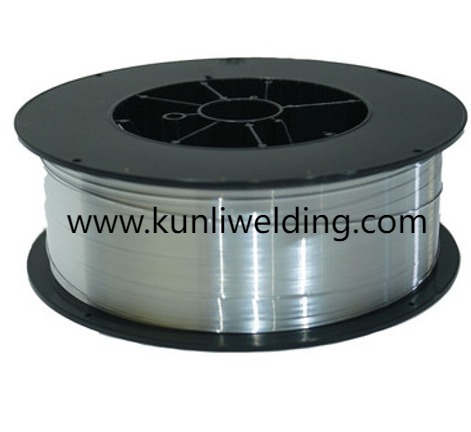
Across global procurement teams there is growing scrutiny on how Aluminum Tig Wire Suppliers adjust selling approaches when raw material costs shift. Fabricators, buyers and supply planners are asking how pricing moves through the value chain and what suppliers can do to help control volatility without interrupting production. This discussion touches sourcing, processing overheads, packaging and the practical support a vendor offers during qualification and scale up.
Raw material swings are a clear input to manufacturing cost. When feedstock and refining pressures tighten, the cost to produce wire rises and margin choices become constrained. Suppliers respond in different ways: some layer price adjustments into new quotes, others rely on contractual terms that smooth changes over time, and many use procurement techniques to reduce direct exposure. Those strategies shape how quickly and how often buyers see list prices move and what options exist for managing the impact inside a production plan.
Trade measures and regional supply shifts amplify the effect. When import rules or regional capacity adjustments change the flow of raw metal, supply continuity can be affected and transport paths may reroute, adding handling costs. Those pressures often show up as tighter lead times or altered packaging priorities. Buyers dealing with long assembly schedules tend to value suppliers who publish clear handling notes and who offer sample reels so engineers can confirm feed behavior before large orders are placed.
Energy and refining bottlenecks filter into price dynamics as well. Upstream processing costs and the availability of intermediate materials influence the baseline cost for wire producers. When refiners and smelters adjust output or when shipping patterns change, manufacturers of welding wire must consider those inputs while planning production runs. That planning commonly drives conversations about lot sizes, packaging options, and the balance between keeping inventory and avoiding holding costs.
How suppliers set pricing strategies matters to shop managers. Some sellers use short term cost pass through clauses that reflect spot market movements, while others offer fixed price windows tied to contracted volumes. A third approach is layered pricing that incorporates a buffer for known upstream risks while offering credits when markets ease. Each approach has trade offs: stability for budgeting, flexibility for fast movers, or shared risk for partners willing to collaborate on long term forecasts.
Procurement actions can blunt the immediate impact of swings. Buyers often run focused validation runs to qualify a supplier reel by reel, check feed behavior in their actual equipment and confirm finishing workload under the chosen surface treatments. Two practical outcomes result: teams understand the effective cost per acceptable weld rather than the headline spool price, and they capture handling and storage practices that preserve wire quality. Those small investments reduce surprise expense when a production ramp arrives.
Suppliers who provide transparent documentation and sample availability help shorten qualification cycles. When a vendor describes packaging choices, recommended feeding paths and storage notes, it lowers the hidden cost of testing and helps technical teams move faster from prototype to regular runs. In volatile markets, that speed can prevent costly stops on the line and help maintain promised delivery times to downstream customers.
Some manufacturers mitigate input cost volatility with hedging and diversified sourcing. By buying feedstock from multiple regions, by engaging with recycling streams, or by retaining flexible production schedules they can soften price swings. Those operational moves are not invisible to buyers; partners who explain how they secure material flows and who offer responsive lead time options often reduce procurement risk and the need for last minute substitutions.
Service and relationship choices matter when margins tighten. Suppliers that bundle practical support — such as parametric guidance, sample reels for testing, or alternative packaging that suits automated feeders — help buyers preserve throughput even if unit prices fluctuate. For many fabricators the ability to keep welding lines moving and to limit finishing rework is where vendor support shows measurable value beyond the sticker price.
Sustainability and regulatory shifts are additional cost drivers that feed into pricing. As regulations alter permitted inputs and as customers demand repair friendly and recyclable assemblies, suppliers adjust formulations and treatments which can change production steps and costs. Buyers who align procurement and engineering early can jointly evaluate variants that balance lifecycle expectations with immediate budget constraints. That alignment reduces surprises later in service.
In practice, a pragmatic approach helps both buyers and sellers. Run short validation trials test feed and finish under production conditions and discuss contract terms that share risk in ways that suit both parties. Ask vendors for clear handling notes and sample access so qualification is faster. When sourcing decisions consider packaging, traceability and supplier responsiveness the visible price becomes one part of a broader service picture. For a look at supplier product options and packaging choices see the aluminum alloy welding wire product page at https://www.kunliwelding.com/product/aluminum-alloy-wire/aluminum-alloy-welding-wire.html .

 Arabic
 French
 Spanish
 Portuguese
 Deutsch
 Turkish
 Dutch
Dutch
 Italiano
 Russian
 Romaian
 Portuguese (Brazil)
 Greek
Greek