


Crimping Tool: The Unsung Hero Behind Perfect Electrical Connections
Introduction
When you flip a switch, connect a cable, or install a new appliance, there is a silent workhorse ensuring everything stays firmly in place: the crimping tool. While often overlooked, this simple device is essential for anyone dealing with wires—electricians, network technicians, automotive enthusiasts, DIYers, and even hobbyists.
In this guide, we explore what a crimping tool is, how it works, why it matters, and how to choose the right one.
What Is a Crimping Tool?
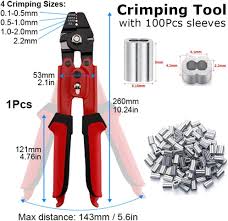
A crimping tool is a hand-held device designed to join two materials—usually a wire and a connector—by deforming them so they lock tightly together. Instead of soldering or using adhesives, a crimping tool mechanically bonds the pieces, creating a strong and reliable connection.
Think of it as the handshake between your wire and connector—firm, secure, and built to last.
How Does a Crimping Tool Work?
Crimping tools use pressure to squeeze a metal connector around a wire. This creates:
-
Mechanical grip – prevents the wire from slipping out
-
Electrical continuity – ensures smooth current flow
-
Durability – withstands vibration, heat, and movement
Modern crimpers are shaped to match specific connectors, ensuring a perfect fit every time.
Types of Crimping Tools
1. Manual Crimping Tools
Perfect for light to moderate use. They require hand pressure and are common for home electrical work and small repairs.
2. Ratchet Crimping Tools
Designed for precision and consistency. The ratcheting mechanism releases only when the correct pressure is achieved, preventing under- or over-crimping.
3. Hydraulic Crimping Tools
Ideal for heavy-duty industrial jobs or large gauge wires. They apply strong, even pressure with minimal physical effort.
4. Network & Modular Crimping Tools
Used for Ethernet (RJ45), telephone (RJ11), and data cables. A must-have for networking professionals.
Why You Need a Crimping Tool
✔ Better Safety
Loose or poorly attached wires can lead to electrical failures or fire hazards. A crimping tool ensures stable and secure joints.
✔ Professional-Level Results
They deliver clean, consistent crimps—something that twisting wires by hand can’t match.
✔ Time Efficiency
Crimping tools make wiring fast, easy, and frustration-free.
✔ Versatility
They work for automotive wiring, speakers, home tool crimping installations, network cabling, DIY crafts, and more.
How to Choose the Right Crimping Tool
1. Identify Your Purpose
Are you working with network cables, automotive wiring, electrical terminals, or coaxial cables?
2. Check Compatibility
A good tool should match the connector size and type you plan to use.
3. Look for Ergonomic Features
Comfortable grips and smooth mechanics reduce fatigue during long projects.
4. Prioritize Durability
Hardened steel jaws, secure locking mechanisms, and quality materials ensure long-term use.
5. Consider a Ratcheting System
It's worth it for accuracy and consistent crimps.
Tips for Using a Crimping Tool Like a Pro
-
Strip your wire cleanly—no damaged strands.
-
Insert the wire fully into the connector.
-
Choose the right die size before crimping.
-
Apply firm, even pressure until the tool completes the crimp.
-
Test the connection with a gentle pull.
Common Mistakes to Avoid
-
Using the wrong size connector
-
Crimping on unstripped wires
-
Applying uneven pressure
-
Reusing old connectors
-
Skipping the tension test
Final Thoughts
A crimping tool may seem simple, but its role in creating safe, lasting electrical and data connections is enormous. Whether you're a professional or a DIY enthusiast, investing in a quality crimping tool will elevate your work, boost efficiency, and ensure every connection is strong and dependable.
Read More Latest Articles: Clicking Here

 Arabic
 French
 Spanish
 Portuguese
 Deutsch
 Turkish
 Dutch
Dutch
 Italiano
 Russian
 Romaian
 Portuguese (Brazil)
 Greek
Greek