


T-Cell Lymphoma Therapeutics Market Outlook 2035: Rising Incidence, Breakthrough Immunotherapies, and Strong Regulatory Support Fuel Global Expansion
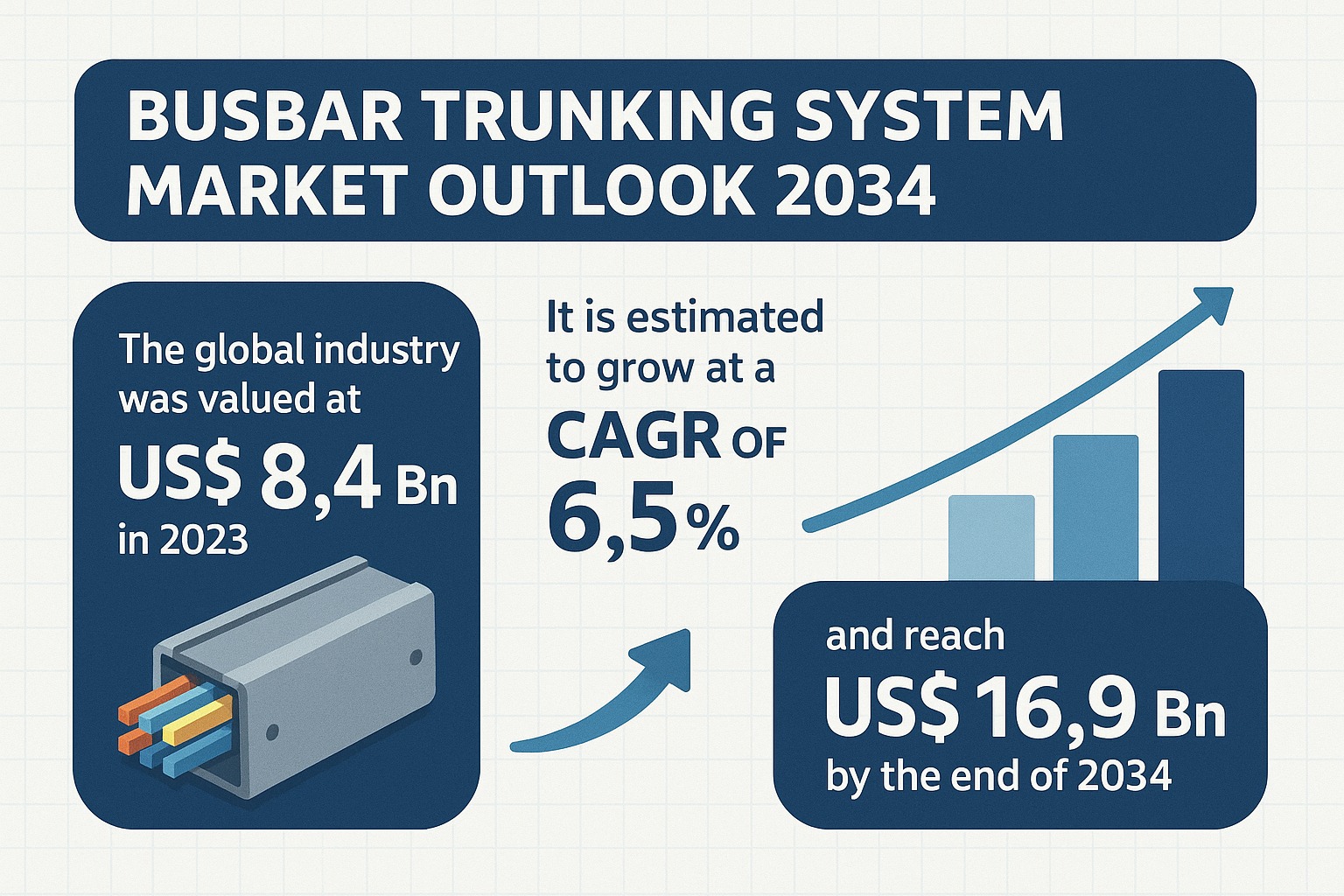
The global T-Cell Lymphoma Therapeutics Market is entering a period of accelerated growth, driven by increasing prevalence of aggressive T-cell lymphoma subtypes and the rapid adoption of advanced targeted and immunotherapy treatments. The market, valued at US$ 2.3 billion in 2024, is projected to reach US$ 5.7 billion by 2035, reflecting a robust CAGR of 8.6% from 2025 to 2035. This expansion is underpinned by technological advancements, precision medicine, and regulatory incentives for rare-disease drug development—creating a strong foundation for continued innovation.
Request a Sample Report Copy: https://www.transparencymarketresearch.com/sample/sample.php?flag=S&rep_id=86859
Market Overview
T-cell lymphomas are uncommon but clinically challenging forms of non-Hodgkin lymphoma that originate in lymphoid and non-lymphoid tissues. They exhibit considerable heterogeneity, with subtypes ranging from indolent to highly aggressive. Difficult-to-treat categories such as peripheral T-cell lymphoma (PTCL) and cutaneous T-cell lymphoma (CTCL) represent a significant unmet medical need, thereby stimulating extensive research activities and therapeutic investment.
Growing global awareness, improved diagnostic capabilities such as immunophenotyping and genomic profiling, and a rising number of specialist oncology centers are contributing to earlier detection and higher diagnosis rates. This expanding patient pool is directly translating into increased therapeutic demand worldwide.
Market Size and Growth Dynamics
- Market size in 2024: US$ 2.3 Bn
- Forecast for 2035: US$ 5.7 Bn
- CAGR (2025–2035): 8.6%
- Top Companies: 4SC AG, Acrotech Biopharma, Bausch Health, Shenzhen Chipscreen Biosciences Co., Ltd., among others
- Leading Region (2024): North America with 40.3% market share
- Leading Treatment Type: Peripheral T-cell lymphoma with a 63.5% share
These indicators highlight a market that is evolving rapidly both in terms of therapeutic sophistication and geographical penetration.
Analysts’ Viewpoint
Industry analysts expect the T-cell lymphoma therapeutics market to experience sustained growth due to the expanding range of treatment options driven by immunotherapy and targeted modalities. The influx of new agents such as HDAC inhibitors, checkpoint inhibitors, monoclonal antibodies, and CAR-T cell therapies is reshaping the treatment landscape.
Regulatory agencies, particularly in the U.S. and Europe, are offering accelerated approval pathways, orphan drug designations, and financial incentives for rare disease therapies. These measures are significantly shortening development cycles and promoting commercialization of novel treatments.
However, challenges persist. The heterogeneity of T-cell lymphomas complicates therapy selection, and the high cost of advanced therapies may restrict access in developing regions. Competition from established therapies may also affect adoption rates of newer agents. Yet, innovation remains strong, positioning the field for transformative clinical outcomes in the coming decade.
Key Market Growth Drivers
1. Rising Incidence and Prevalence of T-Cell Lymphoma
Incidence rates of T-cell lymphomas, particularly PTCL and CTCL, are rising globally due to improved disease recognition and aging populations. Enhanced diagnostic technologies—such as next-generation sequencing and molecular profiling—enable earlier detection, further expanding the treatable patient population.
Higher prevalence in North America and Europe, coupled with rapidly increasing diagnosis rates in emerging Asia-Pacific markets, underscores the global nature of demand.
2. Advancements in Targeted and Immunotherapy Approaches
Traditional chemotherapy has shown limited response rates in aggressive T-cell lymphomas, emphasizing the need for precision-targeted therapies. Breakthroughs in:
- CAR-T cell therapy
- HDAC inhibitors
- Monoclonal antibodies (mAbs)
- Checkpoint inhibitors
- Small molecule inhibitors
are redefining therapeutic standards by selectively targeting malignant T-cells and minimizing toxicity. Precision medicine approaches based on molecular profiling further optimize treatment outcomes by aligning therapy with individual patient genetics.
3. Growing Regulatory Support
Rare-disease designations and fast-track approvals encourage pharma companies to invest in T-cell lymphoma research. Favorable regulatory environments are accelerating clinical timelines and improving accessibility for emerging therapies.
Peripheral T-Cell Lymphoma Segment Leads Market Expansion
The Peripheral T-Cell Lymphoma (PTCL) segment dominated the market in 2024 with a 63.5% share. This leadership is expected to continue due to:
- High incidence and aggressive nature of PTCL
- Strong R&D pipelines targeting PTCL-specific mutations
- Rising adoption of combination therapies
- Multiple clinical trials evaluating novel monoclonal antibodies, ADCs, and immunomodulators
The PTCL segment not only holds the largest market share but also exhibits the fastest growth rate across all treatment types.
Regional Outlook
North America: The Innovation Hub
North America retained the largest revenue share of 40.3% in 2024, driven by:
- High disease awareness
- Mature oncology infrastructure
- Strong reimbursement systems
- Presence of major biopharma companies
- Rapid adoption of immunotherapies
Ongoing clinical trials and significant oncology R&D investment ensure North America’s continued leadership.
Asia Pacific: Fastest Growing Region
Rising healthcare accessibility, improved diagnostics, and a growing cancer burden are accelerating demand in China, India, Japan, and South Korea. Expanding clinical infrastructure and increasing government investment in oncology research make Asia Pacific the fastest-growing regional market.
Analysis of Key Players
Major companies shaping the competitive landscape include 4SC AG, Acrotech Biopharma, Bausch Health, Shenzhen Chipscreen Biosciences, BioCryst Pharmaceuticals, Citius Pharmaceuticals, Verastem, Daiichi Sankyo, CSTONE Pharmaceuticals, Bristol-Myers Squibb, and others. Their strategies focus on:
- Expanding clinical pipelines
- Securing regulatory approvals
- Forming regional distribution partnerships
- Developing next-gen immunotherapies
Recent Developments
- Oct 2025: Citius Oncology partners with Integris Pharma S.A. to expand access to LYMPHIR, a targeted therapy for CTCL, across Europe and the Middle East.
- Sept 2025: Soligenix strengthens its European Medical Advisory Board to support Phase 3 trials for HyBryte.
- July 2025: VCU Massey Cancer Center becomes first U.S. site to activate a global Phase 2a trial for PTX-100, a first-in-class GGT-1 inhibitor.
Conclusion
The T-Cell Lymphoma Therapeutics Market is poised for strong, long-term expansion as innovation accelerates across targeted therapies, immunotherapies, and precision medicine. With favorable regulatory environments, rising incidence rates, and robust commercial pipelines, the industry is positioned to deliver meaningful advancements in patient outcomes by 2035.

 English
 Arabic
 French
 Spanish
 Portuguese
 Deutsch
 Turkish
 Dutch
Dutch
 Italiano
 Russian
 Portuguese (Brazil)
 Greek
Greek